
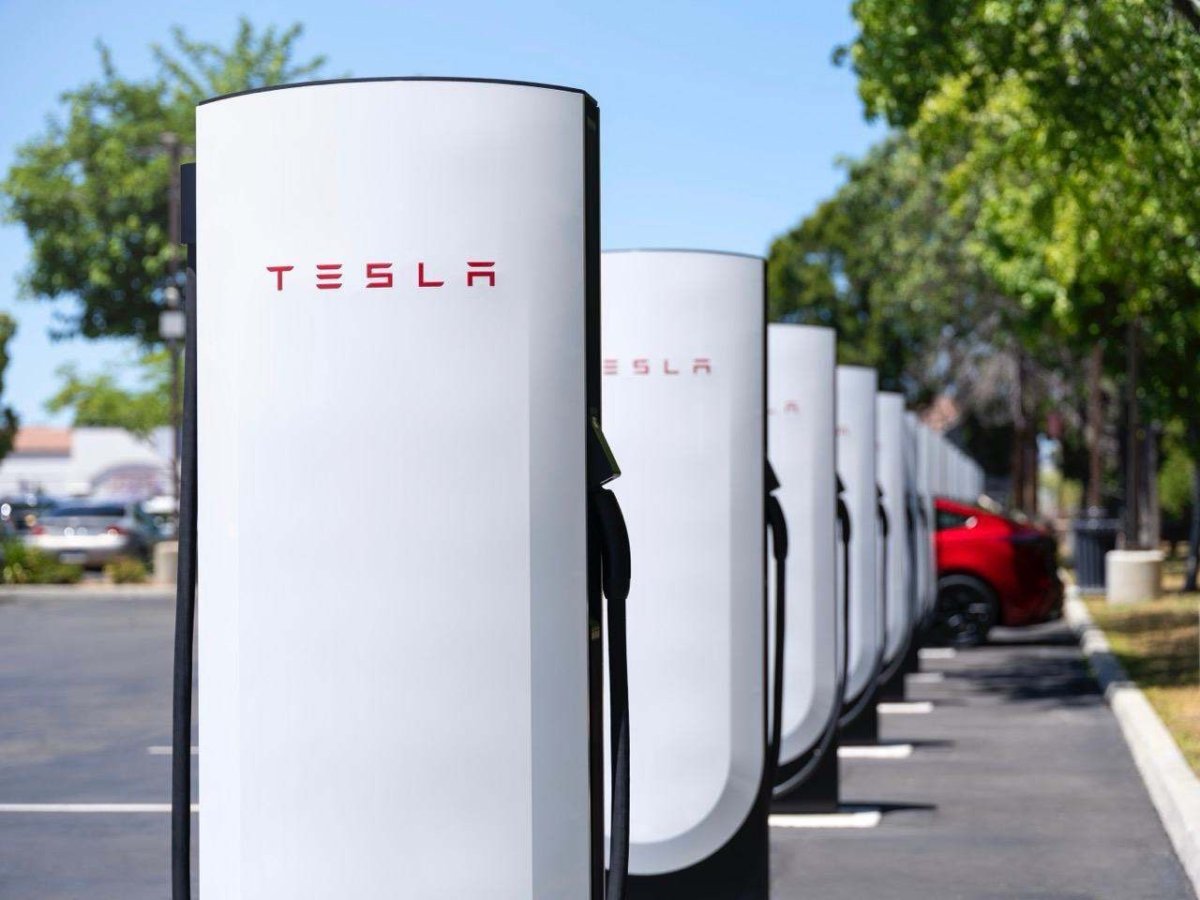
Tesla Supercharger Idle and Congestion Fees Explained and How to Avoid Them

Supercharging costs can include more than the energy delivered to your vehicle. Depending on location and how busy a site is, idle and congestion fees can add to your total. Knowing when these charges apply helps you avoid surprises and manage how long you remain at a stall without incurring extra fees.
Fees Beyond the Charging Price
Tesla typically prices Supercharging by the kilowatt-hour, though some stations bill by the minute. That energy price is separate from fees intended to keep stalls available. It is also different from Tesla's dynamic Supercharger pricing, which adjusts charging rates based on demand.
What Are Supercharger Idle Fees and Congestion Fees?
There are two related fee types: idle fees and congestion fees. Sites use one system or the other. Idle fees apply after your car has finished charging but remains plugged in and occupying a stall. Congestion fees, introduced in 2023, begin once your vehicle reaches 80% state of charge, whether it is still charging or not.
While both aim to improve availability, idle fees discourage leaving a fully charged vehicle (as defined by your charge limit) connected, whereas congestion fees are designed to curb long sessions and free up stalls during busy times. Tesla is moving from idle fees to congestion fees broadly; most of the U.S. and most countries now use congestion fees.
When Do These Fees Apply?
Idle or congestion charges only start after your vehicle is done charging (or at 80% for congestion-fee sites) and when at least half of the stalls at the location are occupied. If the site is completely full, the per-minute charge doubles. Fees are waived if you move your vehicle within five minutes.
As a practical guideline, assume your site uses congestion fees and move your car within five minutes of charging completion to avoid charges. Remember that these fees only apply when the station is at least half full; if there are only a few vehicles present, you can wait to relocate until you are ready to leave.
How Much Do Idle/Congestion Fees Cost?
Tesla's current fee schedule lists the following rates, including tax.
| Country | Fee (Less than 50% Full) | Fee (At least 50% Full) | Fee (100% Full) |
|---|---|---|---|
| United States | US$0 | US$0.50 | US$1.00 |
| Canada | CA$0 | CA$0.50 | CA$1.00 |
| United Kingdom | £0 | £0.50 | £1.00 |
| Germany | €0 | €0.50 | €1.00 |
| Australia | AU$0 | AU$0.50 | AU$1.00 |
| New Zealand | NZ$0 | NZ$1.00 | NZ$2.00 |
Fees are per minute. The first five minutes are waived if you move your car, but rates double when a site is at 100% capacity. There is no cap on how much congestion fee can accrue.
Understanding when fees apply can save money and reduce unnecessary trips to move your vehicle when a station isn't at least half full. Tesla will typically waive your first idle or congestion fee once over the lifetime of your account. To minimize the chance of fees, charge to 80% or less and unplug promptly when charging finishes.
Tesla usually sends a notification when charging completes and when idle or congestion fees begin, though messages can be missed due to poor reception or timing.









Share:
Tesla Model 3 Earns 5-Star Safety Rating from NHTSA
Tesla Adds Insurance Estimates to Order Page, Highlighting FSD Savings