

Tesla is putting the final pieces of its autonomous ride-hailing network in place. While the vehicles attract most of the attention, the operational groundwork needed to keep a driverless fleet running is just as important.
Tesla enthusiast Spencer (@scotsrule08) shared an update on X about the Robotaxi Hub in Austin, a facility where fleet vehicles are staged during downtime. He found regulatory filings indicating the installation of a “cleaning robot” at the site, in addition to Superchargers and an Equipment Inspection System.

According to the filing, construction of the facility was completed in March 2026, and it now includes a working, automated cleaning robot. Earlier this week, Spencer also recorded crews taking down perimeter fencing and tarps, revealing Cybercab and Model Y robotaxi vehicles parked inside.
Austin Robotaxi hub update: fence is coming down and you can finally see all the Cybercabs and Robotaxis. Fresh video of the scene with @DavidMoss.
— Spencer (@scotsrule08) July 8, 2026
Thoughts on this step? pic.twitter.com/AyFdw5vBIr
Seamless, Automated Sanitization
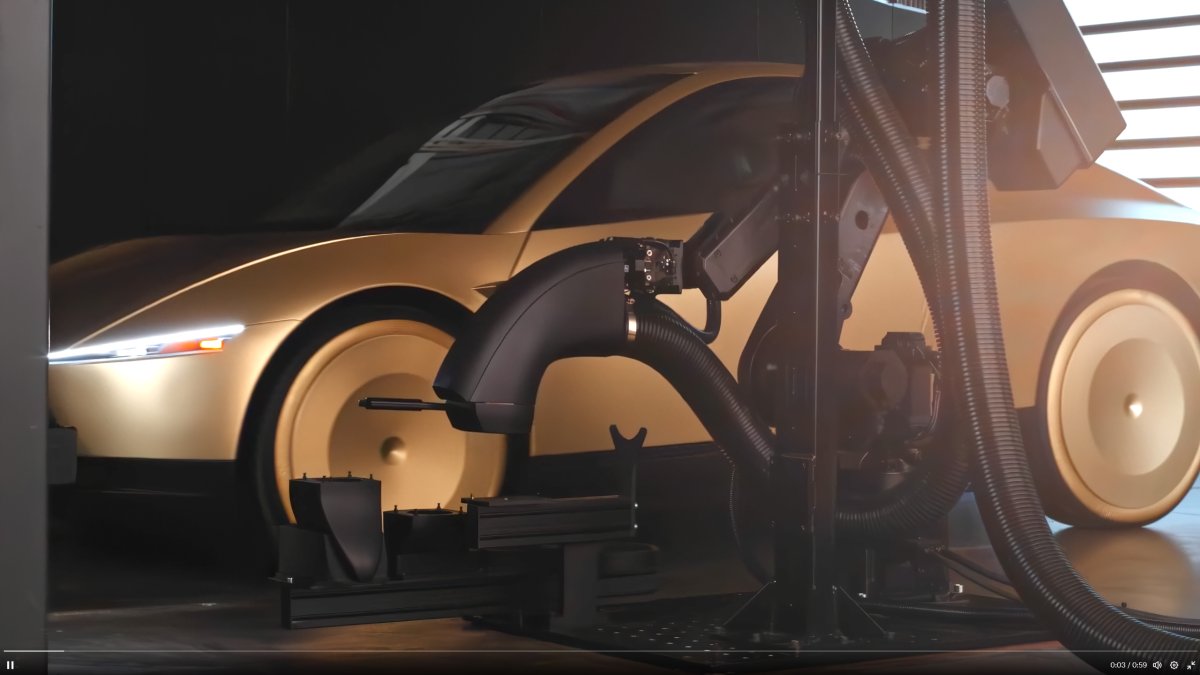
Keeping interiors spotless is essential for the high-utilization ride-hailing service Tesla is targeting, both for hygiene and overall ride quality. Tesla first demonstrated its Robotaxi cleaning robot last year, but the device still lacks an official marketing name; state documents list it as “Cleaning Robot.”
The system employs a large robotic arm with an automatic attachment changer, allowing it to switch between vacuuming leftover debris, picking up trash in the cabin, and contact-cleaning surfaces. One attachment is a microfiber tool designed to clean sensitive areas such as the 21-inch center touchscreen without scratching. The same microfiber tool can also be used on windows, door buttons, handles, and the inside of the front windshield.
This robot sucks pic.twitter.com/VUmGfCM5B3
— Tesla (@Tesla) January 31, 2025
Handling trash and forgotten items is also part of the design. The arm can grasp objects such as plastic bottles, cans, or a backpack left on the seats, either preparing the cabin for the next rider or sorting items for a lost-and-found process. Tesla has previously stated that Robotaxi riders may receive automated fines if they leave excessive messes. The robot can likely also service the rear of the upcoming Cybercab to keep the large luggage compartment orderly.
A Complete, Human-Free Ecosystem
The cleaning robot is one element of a broader maintenance loop. Tesla is building Robotaxi car washes that Cybercabs will be able to drive through autonomously, complementing interior cleaning at hubs to keep vehicles clean inside and out. In addition, Tesla has patented a robotaxi sanitization system that uses specialized UV light arrays to disinfect between rides.
Tesla is moving closer to scaling its Robotaxi service, with public testing of the purpose-built, steering wheel-less Cybercab underway in Austin. The company also plans to begin using the Cybercab to autonomously ferry employees around Gigafactory Texas as an internal pilot before public ride-hailing launches. The confirmation that cleaning robots are now being installed indicates that Tesla is deploying not just driverless rideshare vehicles, but also the supporting infrastructure to operate with minimal human intervention.


Share:
Tesla Cybercab Will Let You Change Air Vent Direction From the App
2026.20.6.6 Release Notes