
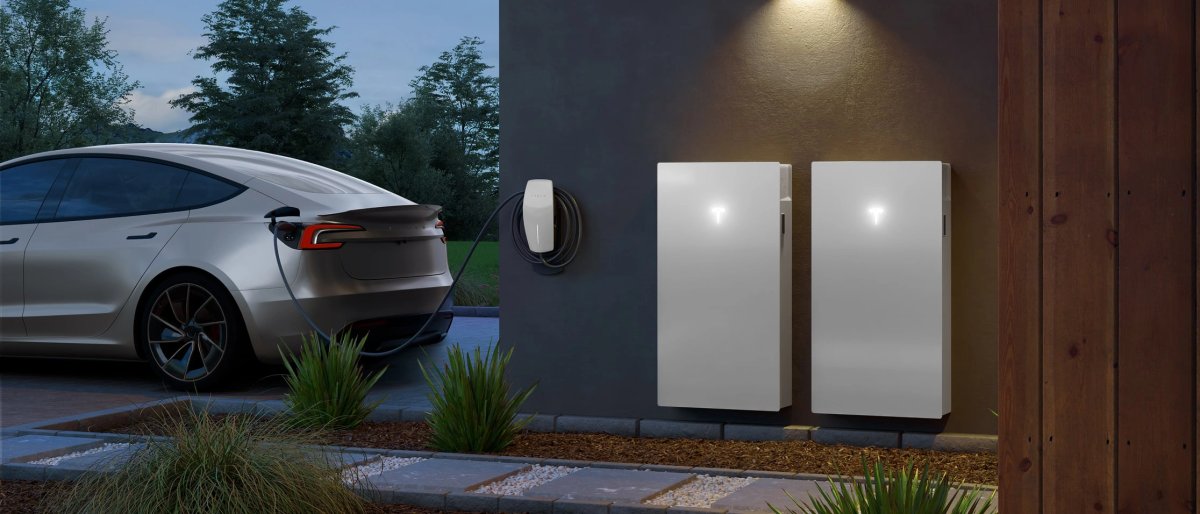

With GPS tracking and Sentry Mode making vehicle theft difficult, thieves have shifted to intercepting battery shipments. An organized group has repeatedly targeted Gigafactory Nevada, leaving with full trailers carrying products worth millions of dollars.
According to a new WIRED report, Storey County Sheriff’s records indicate that trailers loaded with Powerwall batteries have been taken directly from the facility’s loading docks at least 11 times since last December. Storey County Sheriff’s Detective Sam Hatley characterized the situation as "an epidemic." The incidents have created major challenges for logistics staff working to close security gaps.
How the scams are happening
These aren’t random cut-the-lock thefts. Organized crews are exploiting check-in vulnerabilities, leaning on the loose ties between freight brokers and carriers. By using fake identification, forged commercial driver’s licenses, and social engineering, they convince warehouse personnel to release the loads.
The first major theft occurred last December, when a questionable carrier departed with two trailers holding more than $475,000 in Powerwall units. The trailers were later discovered empty 500 miles away in Southern California. January brought nine additional cargo thefts. In one case, a freight broker mistakenly awarded a shipment to an illegitimate carrier, and 123 Powerwalls bound for a Tesla facility in Hayward, California, vanished.
Turning stolen Powerwalls into expensive bricks
Most of the stolen freight consisted of the Powerwall residential battery system, which stores excess solar energy and supplies it to a home or the local grid. Because Tesla controls the Powerwall ecosystem, it can remotely prevent stolen units from connecting.
Investigators told WIRED that when a Powerwall is flagged as stolen, it cannot be activated. Without activation, it can’t be used, effectively turning it into a very heavy paperweight. Unless the thieves can bypass software protections, their options are largely limited to parting out the units (primarily the battery cells) or attempting to deceive buyers on Facebook Marketplace. Tesla’s security team has already located several suspect listings and directed law enforcement to the sellers.

Catching the culprits and upgrading security
Deputies gained traction after placing a police GPS tracker on a stolen trailer left at a nearby gas station. When the suspects returned to move it, officers arrested three individuals in their twenties who had traveled from California with a forged commercial driver’s license.
An associate manager at the Nevada site told investigators that early incidents stemmed from failures to follow basic security procedures. Since then, security has been tightened, and guards are verifying every driver’s identity at the plant gates. Detective Hatley said the additional checks are helping, but he also noted that Tesla—and the broader electronics sector—still have significant work ahead to curb freight theft.









Share:
Inside Tesla Cybercab's Level 4 'Autonomous Mode'
New Tesla Cybercab Details: Batteries, External Mics, Tow Straps, and More