
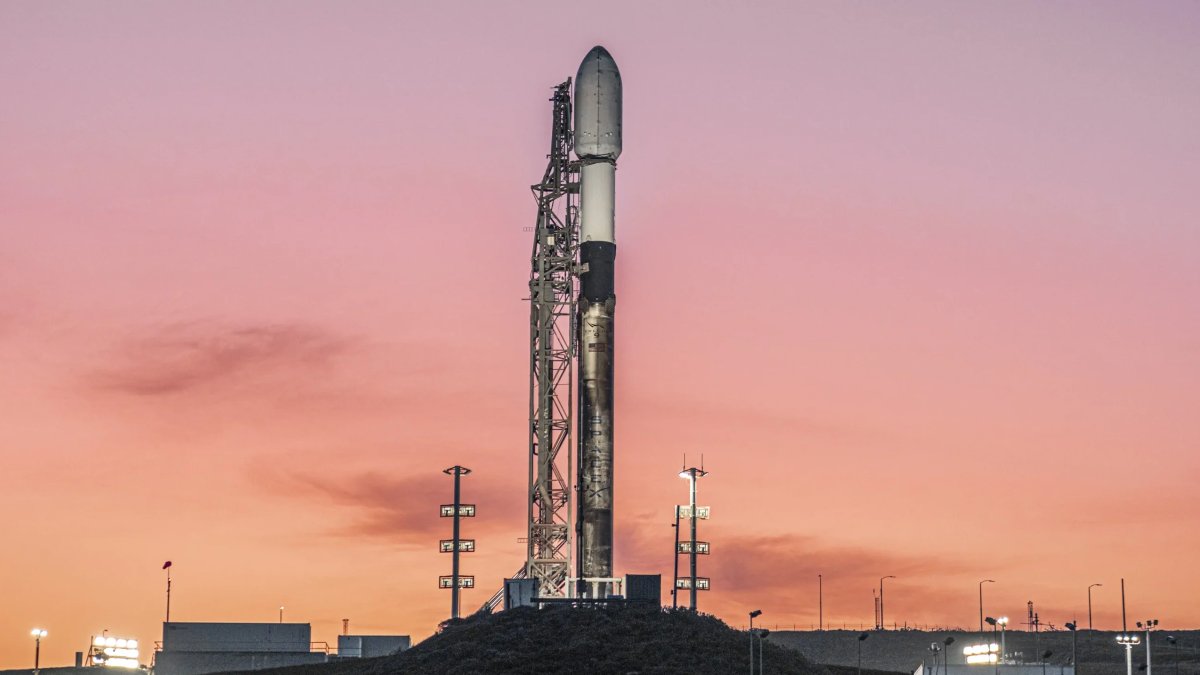

SpaceX is putting in place ground infrastructure to significantly enhance Starlink performance. According to a recent application filed with the Federal Communications Commission (FCC), the company is developing a next-generation gateway station intended to help deliver gigabit connectivity and fiber-like speeds to satellite internet customers.
The "First of Its Name" gateway
The regulatory filing identifies the new ground station as "First of Its Name" and locates it at the Starlink manufacturing facility in Bastrop, Texas. SpaceX already operates more than 100 gateway stations across the United States, but this site represents a major upgrade in capability.
Historically, Starlink gateways have transmitted over the Ka and E bands. The Bastrop installation will adopt a quad-band design spanning the Ka, V, E, and W bands. This expansion follows the FCCs January approval of SpaceXs proposal to upgrade the Starlink network with gigabit-class speeds.
Upgraded antenna hardware
To support higher data rates, the new gateway will employ 40 antennas for quad-band access. Each antenna will use a larger 1.99-meter parabolic dish, an increase from the 1.85-meter dishes used at existing gateway facilities.
According to the FCC application, these larger dishes allow the gateway to connect to "as many independent NGSO [non-geostationary] satellites as possible at any given instant in time."
By enabling more simultaneous links with orbiting satellites, SpaceX can improve aggregate throughput and strengthen overall network reliability for users on the ground.
Paving the way for Starlink V3
This next-generation terrestrial gateway is a key element of SpaceXs long-term gigabit plan. While the immediate hardware upgrades will benefit the current Gen1 and Gen2 systems, the ultimate aim is to accommodate the greater data capacity of upcoming V3 satellites.
Elon Musk has previously indicated that mass deployment of these V3 satellites could begin as early as Q4 of 2026, contingent on continued successful test flights of the Starship launch vehicle. In the meantime, obtaining authorization to use quad-band spectrum at the Bastrop gateway positions the ground infrastructure to be ready as soon as the new satellites reach orbit.























Share:
Tesla Confirms Cybercab Has No Production Cap as Ramp Begins
Tesla Giga Berlin to Increase Production 20%; 1,000 New Hires