
Giga Berlin Eyes New Vehicle As Output Reaches 7,500 Vehicles Per Week

At the Automobilwoche Congress in Berlin, plant manager André Thierig said that if Tesla adds a second factory at the Grünheide site, “we won’t be building another Model Y factory,” according to a translated report from Automobilwoche. He did not say what the additional facility would produce, and no decision has been made on a second factory or a new product yet.
What Could Giga Berlin Build Next?
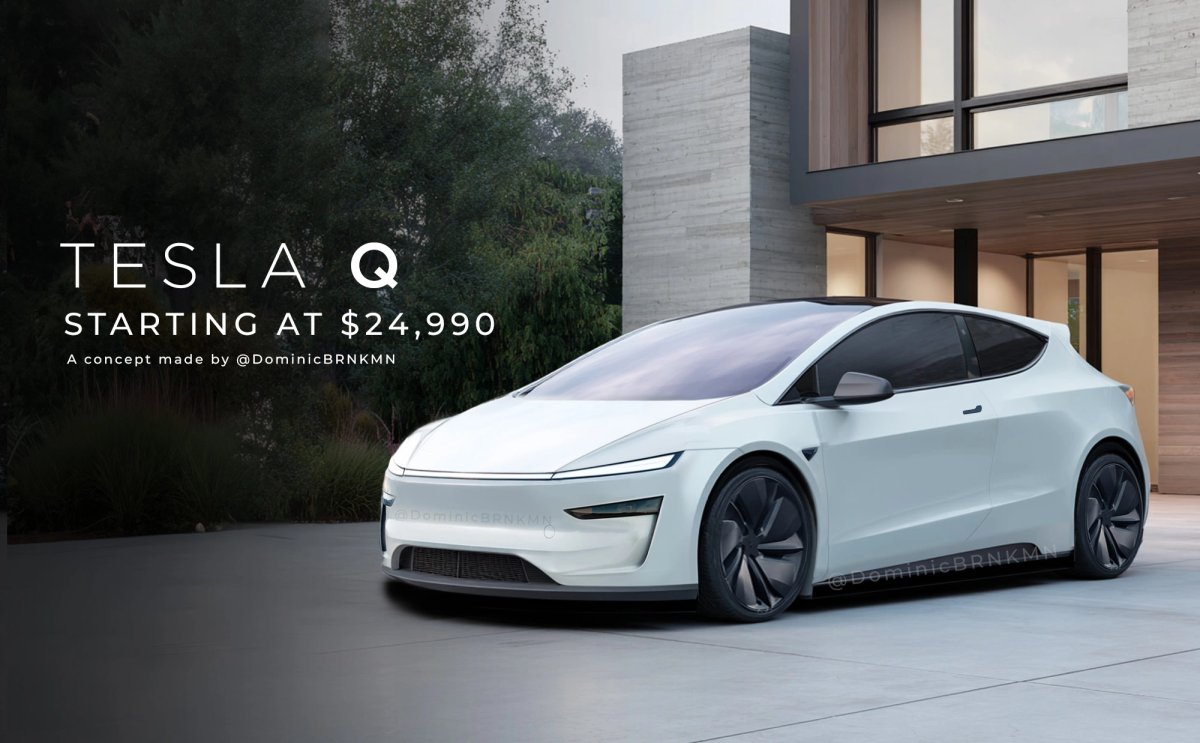
Enthusiasts have long called for a lower-cost compact Tesla for Europe, but the Model 2 was reportedly shelved in early 2024 as the company shifted its focus to robotaxis. In the meantime, Tesla introduced cheaper Standard versions of the Model 3 and Model Y.
A new Model 2 or Model Q could still be under development, though the more likely candidate is the Cybercab. Earlier this year, Elon Musk described it as the “most likely next major product” for Giga Berlin, with Optimus possibly following, and he has said he hopes to bring the Cybercab to Europe soon. Tesla is also taking the Cybercab on a tour of Europe, with four stops in Germany, including Berlin.

Tesla has finished clearing land for the expansion and plans to submit a building application in 2026. The project is part of a broader plan to grow Giga Berlin and eventually take its output to 1 million vehicles per year.
Giga Berlin Keeps Growing
“We are probably the only ones in Germany who are currently growing,” Thierig said, according to the translated report.
The company recently hired 2,000 new workers in Grünheide and is ramping Model Y output to 7,500 vehicles per week, with a car leaving the line every 45 seconds across 15 shifts a week. That pushes the plant closer to its maximum capacity of 375,000 vehicles a year. Earlier this year, Tesla announced a production ramp and 1,000 new hires, followed by the 7,500-per-week target and another 1,000 hires. Giga Berlin celebrated building its 750,000th vehicle this year.
Battery cell production is also progressing. Giga Berlin already makes electrodes, which are shipped to Texas to be turned into cells and sent back. Full cell production in Grünheide is set to begin by mid-2027, which would make it the first European plant to build everything from battery cells to finished cars at one site.

Thierig also said Tesla won’t budge on its 38-hour work week, calling a cut to 35 hours “a red line for us.” Tesla has not yet confirmed what a second Berlin factory would build. With the building application due before the end of the year, more details should emerge soon.





Share:
Finland Approves Tesla Assisted Driving, 11th EU Country
Musk Cut Basic Autopilot to Drive FSD Toward 10 Million Subscriptions