
Elon Musk spent years hinting at a Tesla-built home heat pump and smart HVAC that could reshape residential heating and cooling. While those efforts appear to have paused, a well-known leader is moving to make that concept a reality.
The Stealth Move Into Home Energy
Drew Baglino, who spent nearly two decades at Tesla and rose to senior vice president overseeing core energy and powertrain engineering before leaving in April 2024, has quietly launched a new company to develop residential heat pumps. According to a report by TechCrunch, the startup is called Sadi Thermal Machines.
Formed in June 2025 and currently operating in stealth, the company is based in Scotts Valley, California, sharing a headquarters with Baglino’s other post-Tesla venture, Heron Power. The name references Nicolas Léonard Sadi Carnot, the French physicist who helped establish modern thermodynamics. Records indicate that several Tesla alumni have already joined the team.
Bringing Automotive Tech to the Living Room
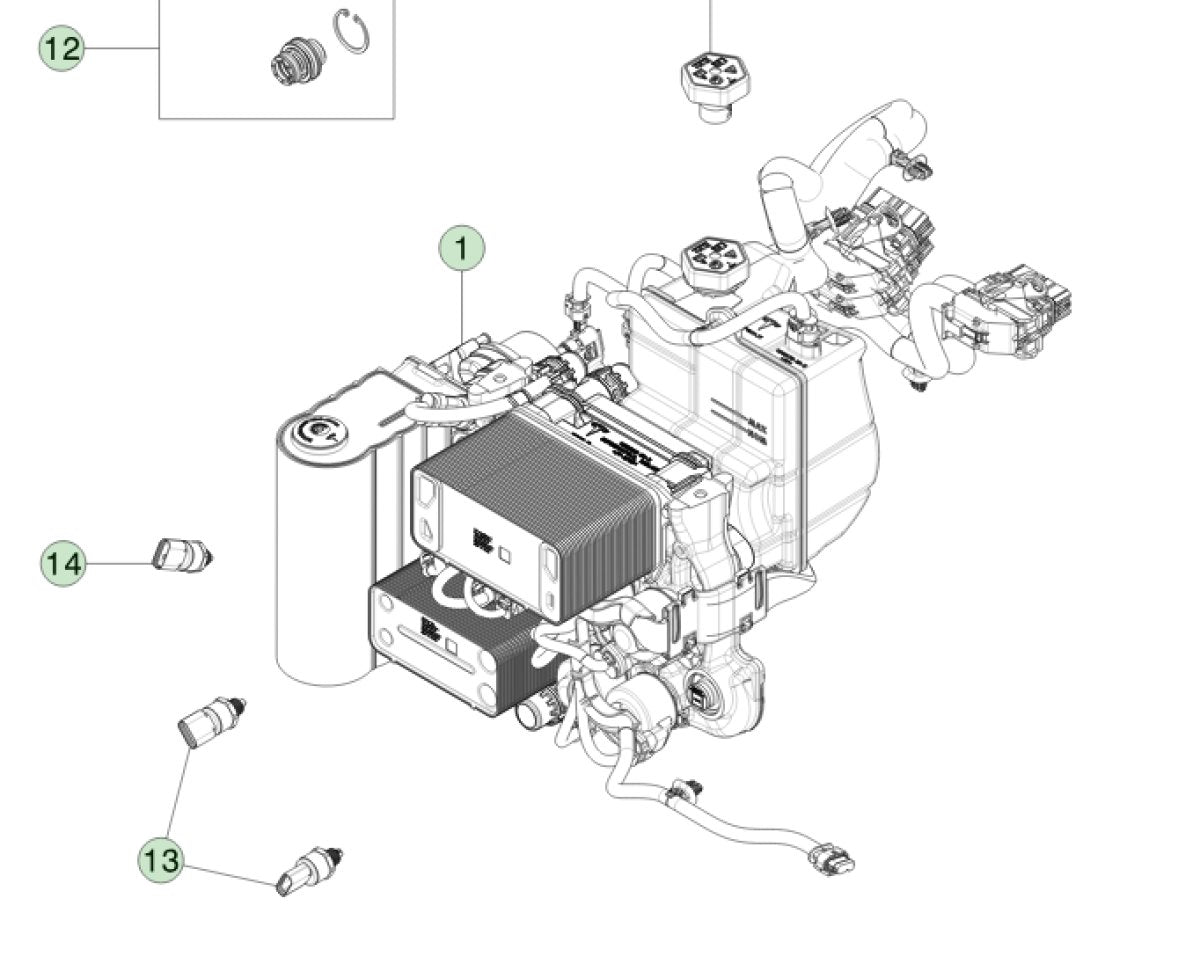
This move aligns closely with Baglino’s background. He is a named inventor on the original patent for Tesla’s “Octovalve,” the core of the Model Y’s heat pump.
At launch, the Model Y heat pump was a suitcase-sized unit that could move heat among the battery, cabin, and drive units in real time, unlike anything else available at the time. It achieved this with its Octovalve, which featured eight inlets and outlets and could variably switch between heating and cooling without being plumbed in different directions, and the Super Manifold.

During an earnings call in early 2022, Musk and Baglino discussed adapting that vehicle technology into an all-in-one residential HVAC and water heating system. Baglino said it would be easier to design a home system because it wouldn’t face the same mass, volume, and energy constraints as a car.
“From a mission perspective, it’s very aligned,” Baglino said.
“We have learned a lot about how to make capable and reliable heat pumps that work in all environmental conditions and are excited about the idea of working on that problem one day. Let me put it that way, it’s definitely aligned with our mission to accelerate the transition to sustainable energy.”
Musk agreed it was a product they would eventually build but did not commit to a timeline. Baglino added that if Tesla didn’t pursue it, others should. He is now following that guidance himself.

A Perfect Fit for the Tesla App?
The residential heat pump market has become highly competitive while Tesla’s priorities have shifted. Last year, the company’s mission statement was updated to emphasize building a world of “amazing abundance,” reflecting a stronger focus on AI and robotics. With capital and production resources flowing toward projects such as the upcoming Optimus Gen 3 humanoid robot, a home climate product appears to be a lower priority.
Earlier vehicle implementations have also faced challenges. Tesla previously encountered various cold-weather heating failures tied to its early vehicle heat pumps, leading to regulatory discussions.
Even so, Baglino’s separate effort could still fit neatly within the Tesla ecosystem. A recent mobile app decompile indicated that support for home heat pump control is in development. And even if Tesla does not manufacture the hardware, Baglino’s deep roots suggest his residential heat pumps could integrate with existing Powerwall and solar systems, delivering the ecosystem synergy owners were promised.







Share:
Lawmakers Urge NHTSA to Investigate Tesla's FSD Safety Claims
Tesla's Secret is Out: What Cybercab Sightings Mean for Your Future