
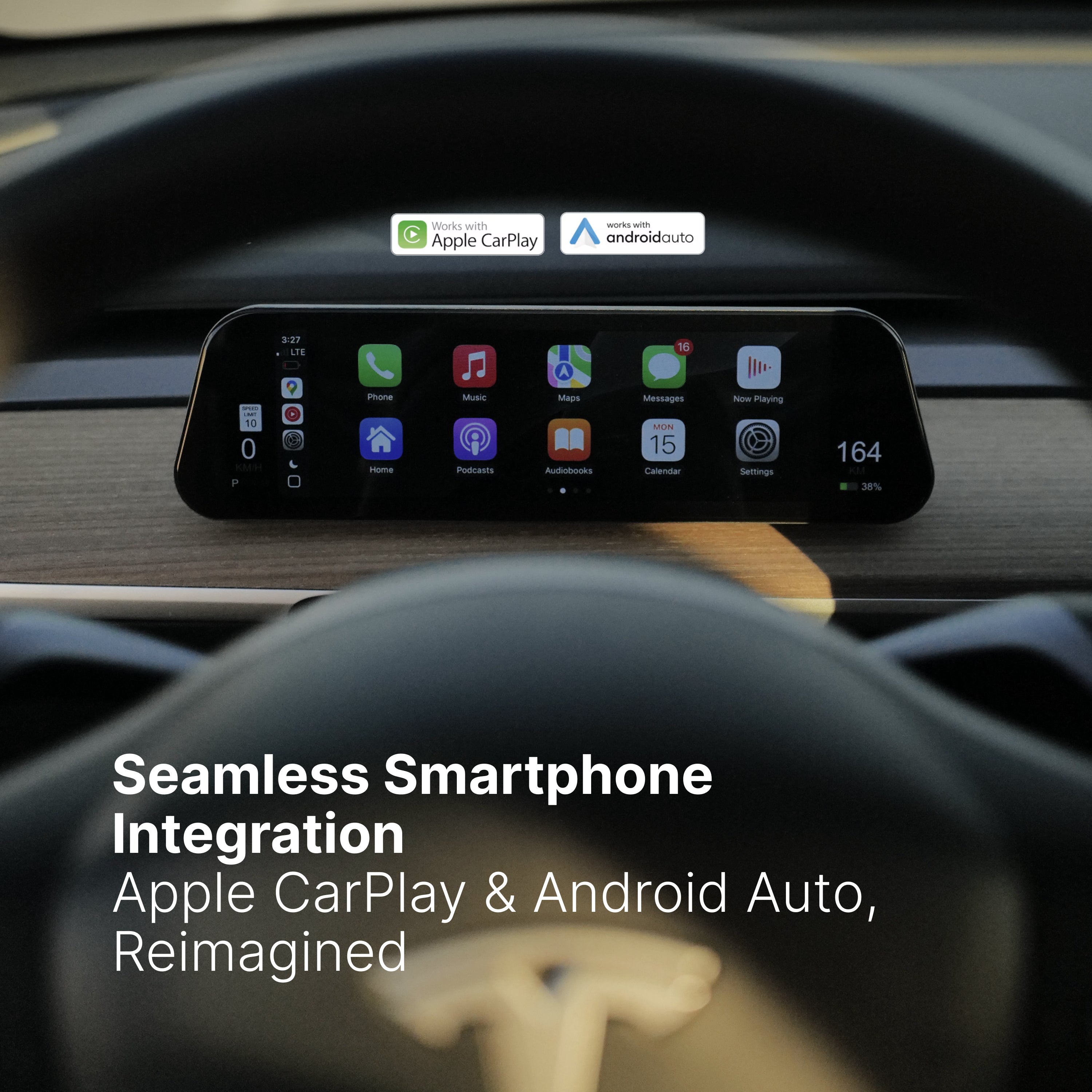
Tesla has long resisted handing over in-car display space to third-party systems such as Apple CarPlay and Android Auto. Despite strong owner demand, the lack of official support has led some drivers to use unconventional solutions like the third-party Tesla Android project to bring the iPhone interface to the vehicle’s screen.
That stance appeared to shift last fall when reports suggested Tesla was actively pursuing native Apple CarPlay integration. Updates earlier this year indicated the effort was still underway, with Tesla reportedly working directly with Apple on the implementation.
The Navigation Sync Problem
The main obstacle was how to coordinate navigation between Tesla’s Full Self-Driving (Supervised) and CarPlay’s maps. Because FSD relies heavily on the vehicle’s built-in navigation, the two companies worked to keep turn-by-turn directions synchronized across Tesla’s and Apple’s mapping platforms. If FSD doesn’t know where the CarPlay map is going, features like automatic lane changes and (supervised) self-navigation can’t function.
Enter Apple’s Route Sharing
Apple may have addressed that exact issue. During a WWDC26 session covering the latest CarPlay updates, Apple introduced a new capability called Route Sharing.
According to Apple, Route Sharing allows a navigation app to pass a trip to the vehicle as an array of route segments, which are geographic coordinates that are sent to the vehicle whenever the trip changes. Apple notes that "some vehicles with driver assistance systems work best when the intended route is known. For example, vehicles may support automatic lane changes or adjust their guidance systems to more closely match the route shown in your app."

In practice, an iPhone can transmit its precise route data directly to Tesla’s computer via the CarPlay connection. The integration can also work in reverse: for electric vehicles like Tesla’s, the car can estimate energy consumption, choose a suitable charging stop, and send that waypoint back to the iPhone to update the CarPlay route.


Best of all, this capability is already available with iOS 26.4 (and later). That means Tesla wouldn’t have to wait for the release of iOS 27 alongside the next iPhones this fall to make use of it in a CarPlay rollout.
What This Means for Tesla Owners
First-party integration would bring a range of CarPlay features to Tesla, including access to apps like Waze, Microsoft Teams, and Telegram that aren’t currently available in the vehicle. It would also surface phone notifications on the car’s display, enable group text messaging on iPhone for the very first time, rumored AirPlay-like functionality, and more.
While there is no official word yet on an Android Auto implementation, Tesla often develops its software pipelines from scratch. If the groundwork to share route data with Apple is in place, a similar solution for Android mirroring may not be far behind.
Apple appears to have delivered the exact technical bridge Tesla required, leaving it to Tesla to roll out CarPlay in its vehicles. Could 2026 finally be the year?
","published":true,"tags":"News","image":{"src":"https://www.notateslaapp.com/img/containers/article_images/2026/apple-route-sharing-for-carplay-1.jpg/08728651da855bf4119ea977fe20cdd0/apple-route-sharing-for-carplay-1.jpg","alt":"Could This New Apple Feature Finally Bring CarPlay to Tesla?"}}}}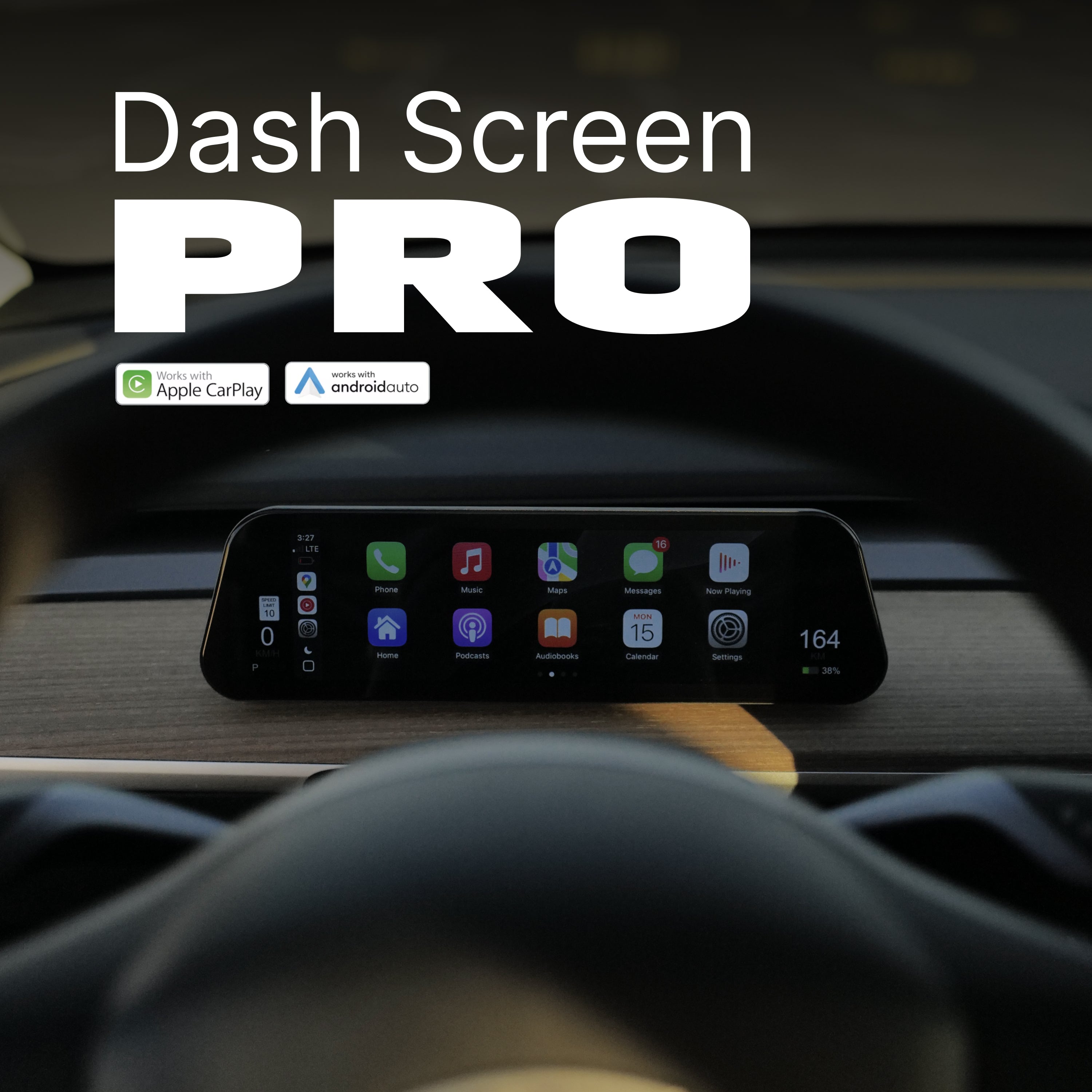



Share:
Tesla FSD (Supervised) Officially Approved in Denmark
Watch Tesla FSD Hunt a Newly-Opened Parking Spot Across a Lot