
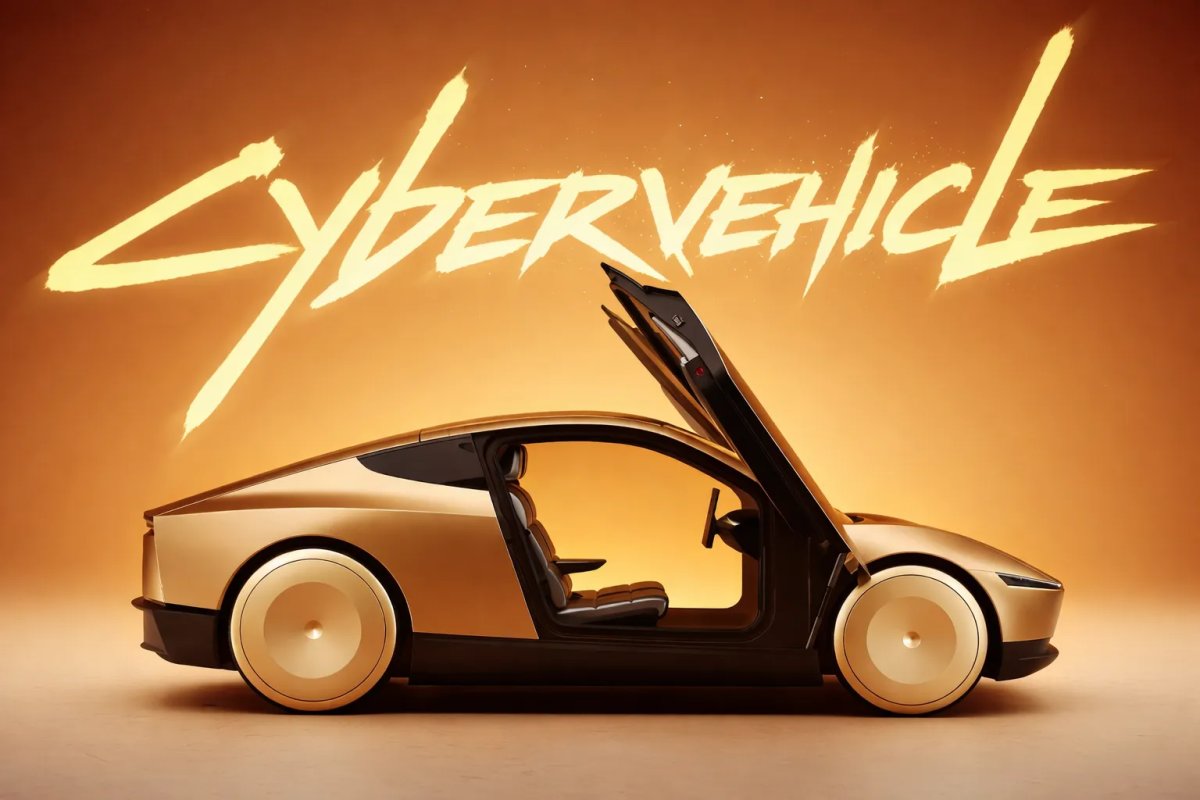

When Tesla revealed its dedicated 2-seater Robotaxi, the name Cybercab seemed like a natural choice. Tesla has now filed trademark applications for "Cybercar" and "Cybervehicle", but it is not doing so to rename the product.
As Elon Musk noted during the 2025 Q4 Earnings Call, the trademarks "Cybercar" and "Cybervehicle" are meant to do more than protect brands; they are intended to provide a way to work around municipal taxi regulations.
Avoiding the Trap
The word “Cab” carries centuries of regulatory baggage. In cities like New York or London, calling a vehicle a cab triggers specific regulatory requirements, from mandatory medallion systems to union-negotiated fare structures. Those systems were designed to limit vehicle counts and preserve municipal control over 20th-century taxis.
By registering trademarks that do not use the word cab, Tesla aims to avoid extra regulation and preserve the ability to operate broadly. If a city tries to block the Cybercab for lacking a traditional medallion, Tesla can instead deploy a "Cybercar" or "Cybervehicle".
That approach lets a private passenger vehicle on Tesla’s autonomous network sidestep the strict, century-old rules pushed by taxi interests.
During the Q4 Earnings Call, Elon confirmed the two alternative names were a direct response to outdated rules tied to the word taxi. Cybercab will remain the primary brand, while the alternatives exist to prevent the company from getting entangled in red tape.
Private Passenger and Federal Regulation Loophole
The "Cybercar" name also reflects the vehicle’s dual role. Unlike traditional taxis that are owned by fleets and driven by employees, Tesla plans to allow individually-owned autonomous vehicles to join the Tesla Robotaxi network.
A Cybercar can be treated as a private asset that also provides a service, similar to how an Airbnb is a private home rather than a commercial hotel. That distinction lets Tesla argue these vehicles belong under federal automotive frameworks instead of municipal taxi bylaws.
Cybervehicle Catch-All
While "Cybercar" targets the retail side, the "Cybervehicle" trademark serves as a catch-all. By labeling them Cybervehicles, Tesla aligns its documentation with recent standards for the definition of autonomous vehicle transportation services defined by both the NHTSA and the UNECE. That approach satisfies regulators who focus on safety cases and testing credibility rather than fare meters and medallions.
Ultimately, the hardware remains the same, but the name will be whatever is needed to get the car on the road.



Share:
New UN Autonomous Driving Regulation Could Unlock Tesla FSD in Europe and Asia
2025.45.32.1 Release Notes